

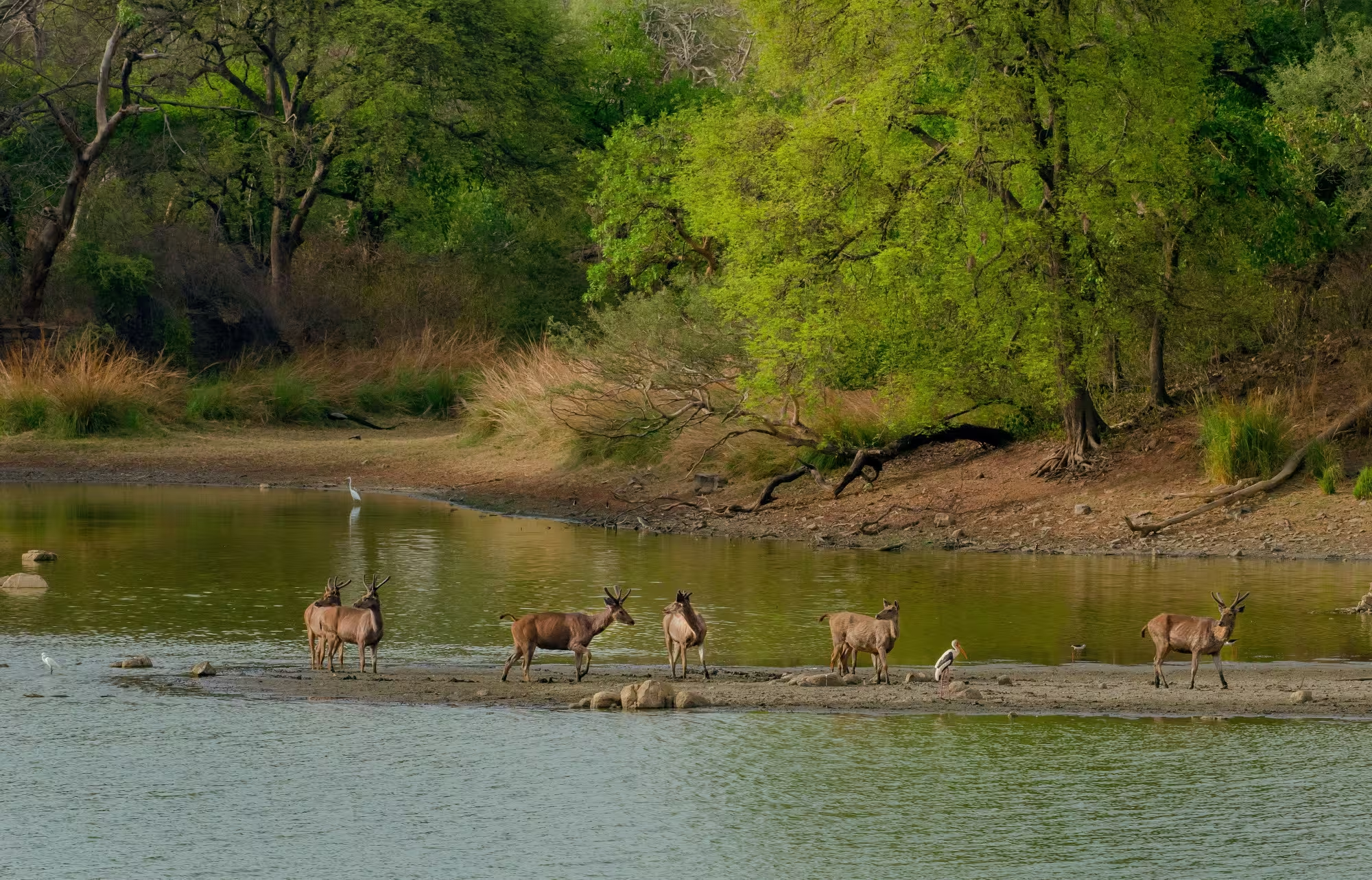
COMPARISON
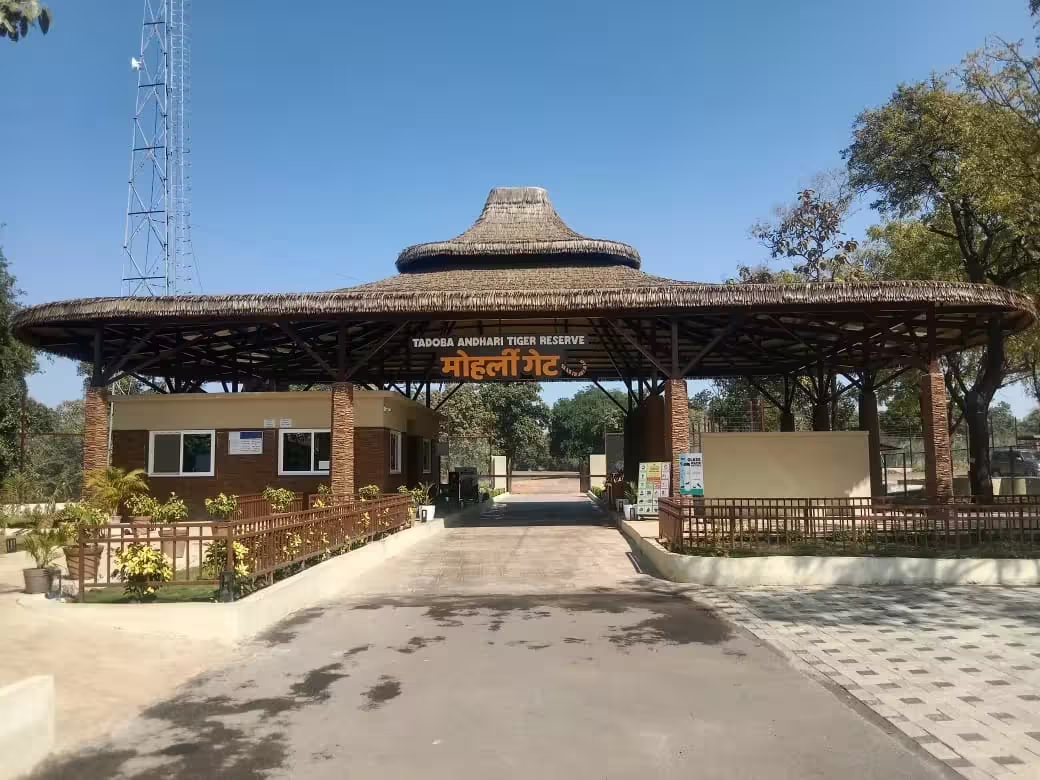
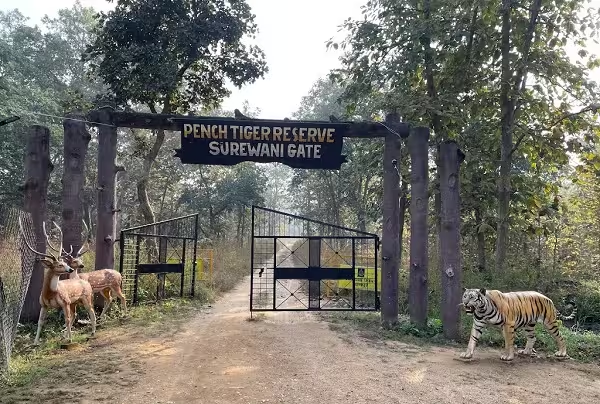
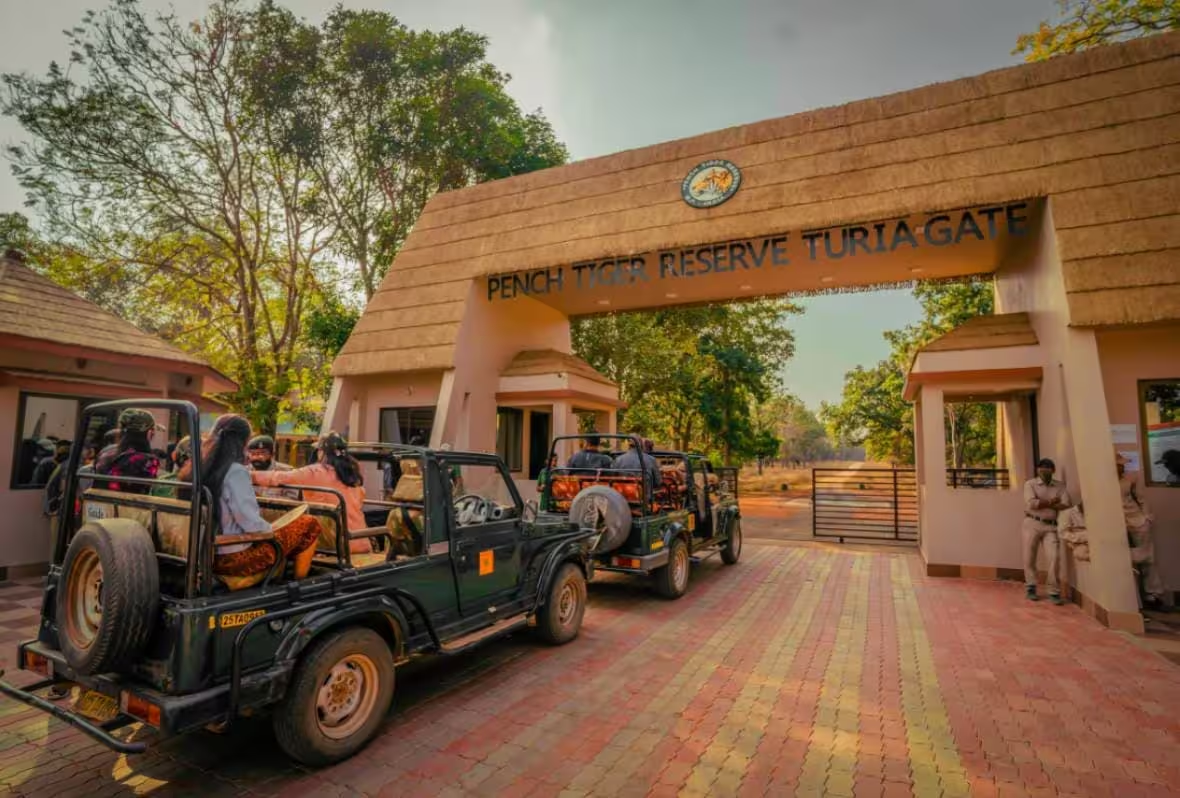
Tadoba vs Pench: which tiger reserve should you actually pick?
Two of Central India’s best parks, side by side — sightings, seasons, access and who each one suits.
9 min read
12 TIGER RESERVES · EST. 2018
Skip the crowds of the north. The forests of Madhya Pradesh and Maharashtra hold the highest tiger densities on earth — and we handle every permit, transfer and guide so all you do is watch.
WHO WE ARE
JungleViibes is a Central-India specialist run by the guides and trackers who grew up around these forests. We don’t sell every destination in the country — we know six reserves deeply, work only with locally owned lodges, and cap our groups so the forest never feels crowded.
That focus is the whole point: better sightings, lighter footprints, and a trip planned by people who’ll be in the gypsy with you at dawn.
Explore what we do →Field Standard
ALREADY BOOKING THE GOLDEN TRIANGLE?
You’ve come this far for the Taj Mahal. You’re a short flight from the best tiger forests on the planet. See exactly how the two fit together — most guests wish they’d known before they booked.
02 · WHERE WE GO
03 · WAYS TO EXPLORE
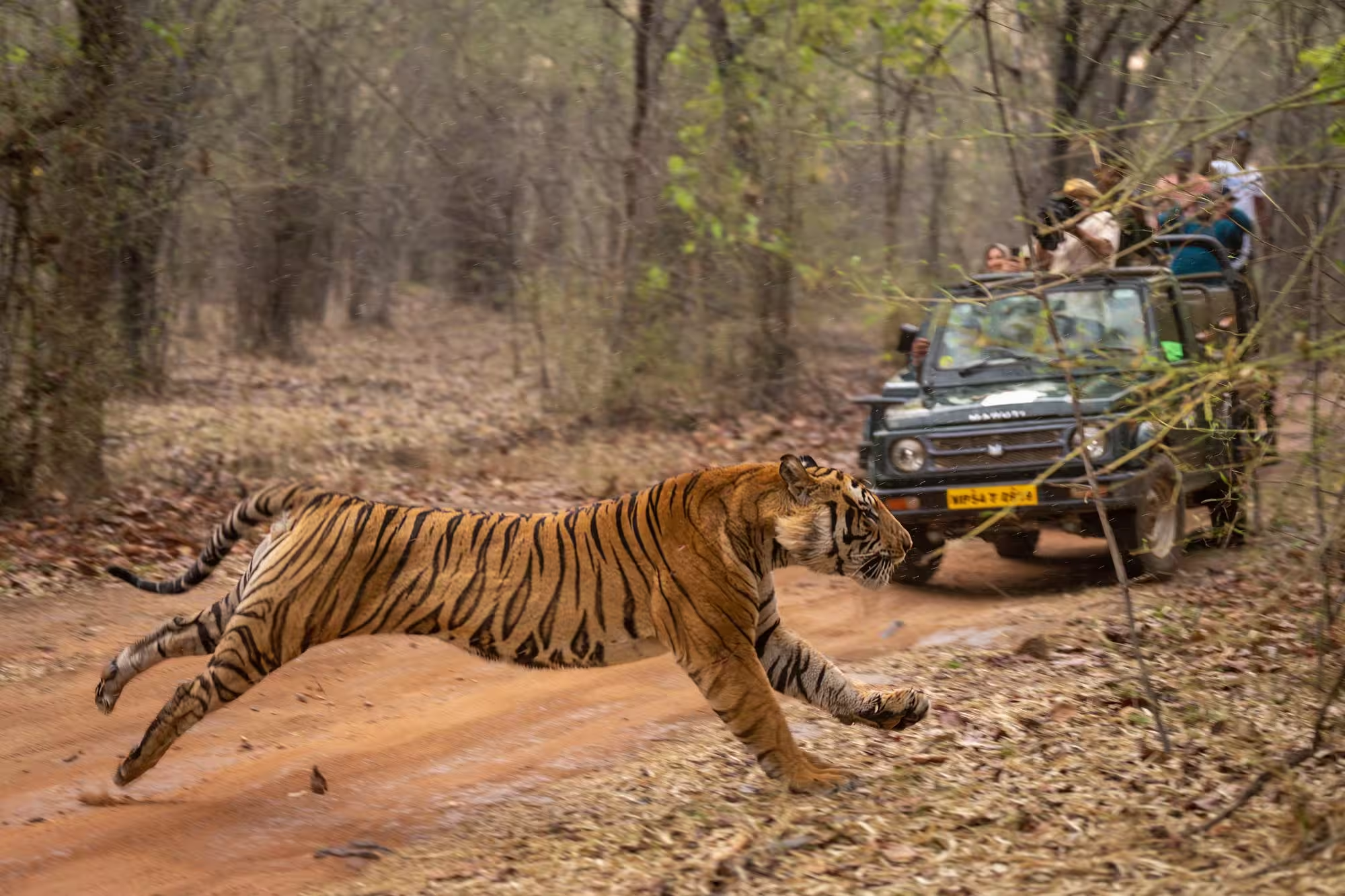
The classic Central India experience — open 6-seater gypsy drives into the core zones of Kanha,...
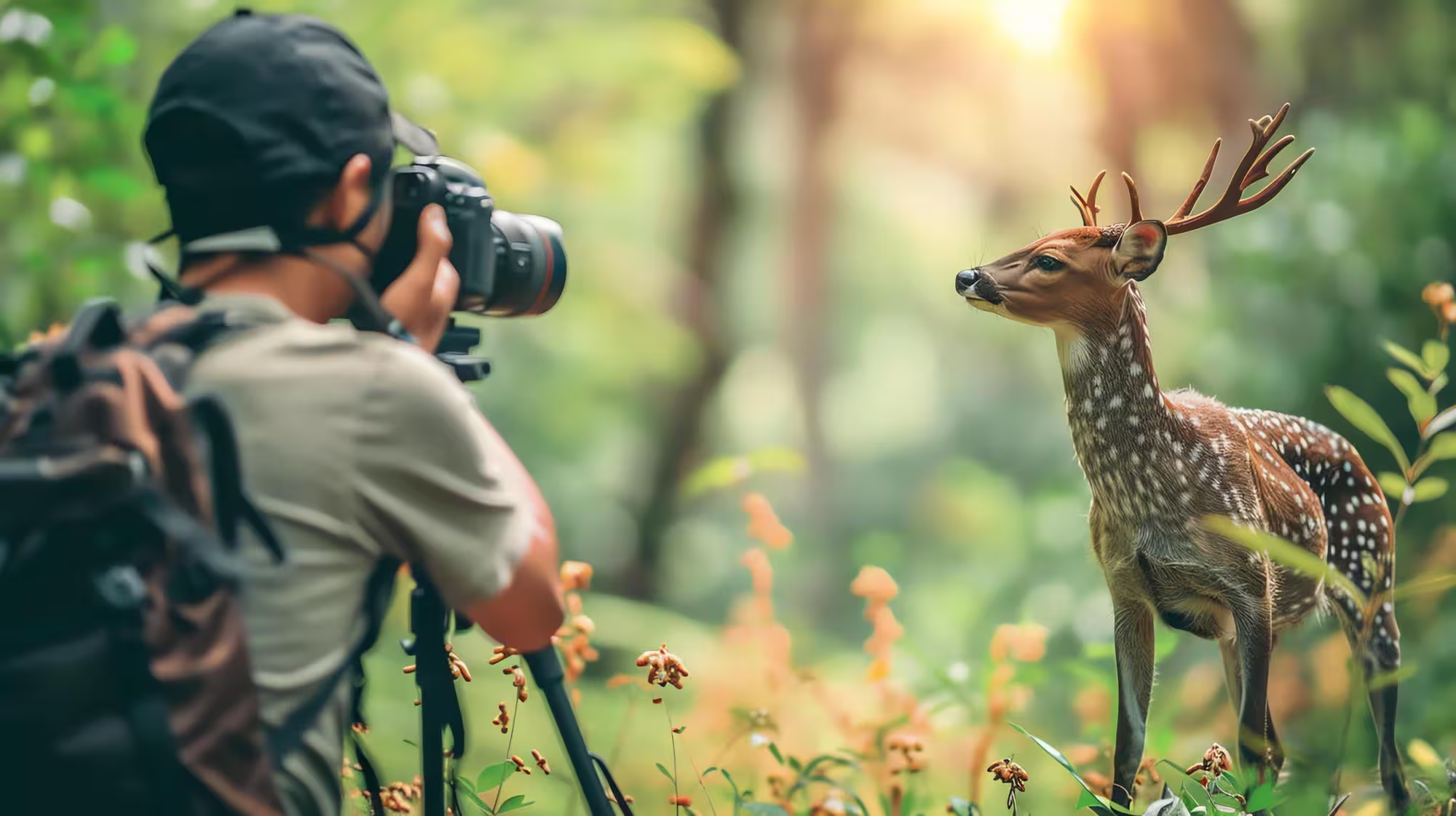
Built for photographers who've outgrown the standard safari. Every vehicle is modified for glass — bean-bag...
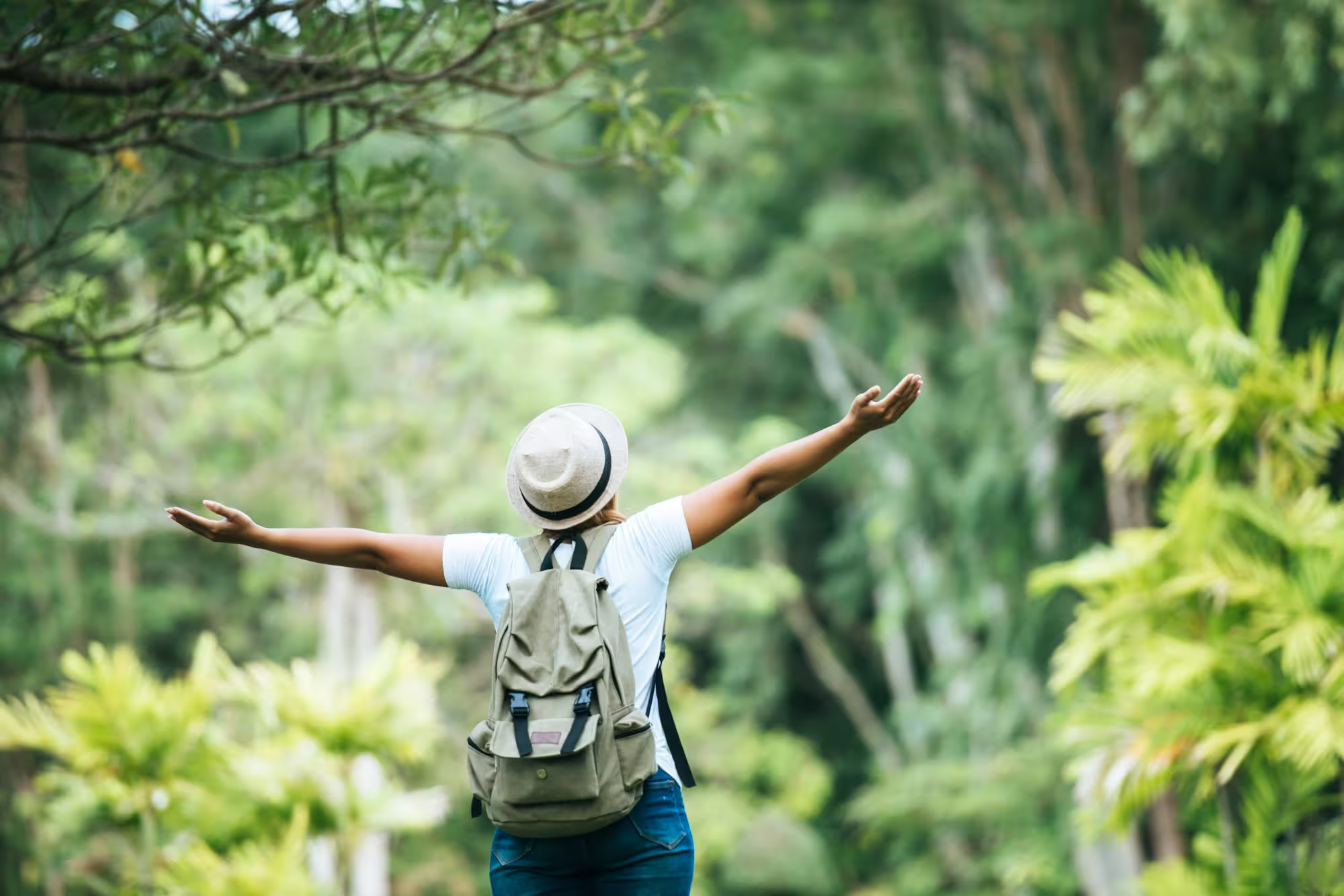
Wildlife is only half the forest. This tour spends as much time in buffer-zone villages as...
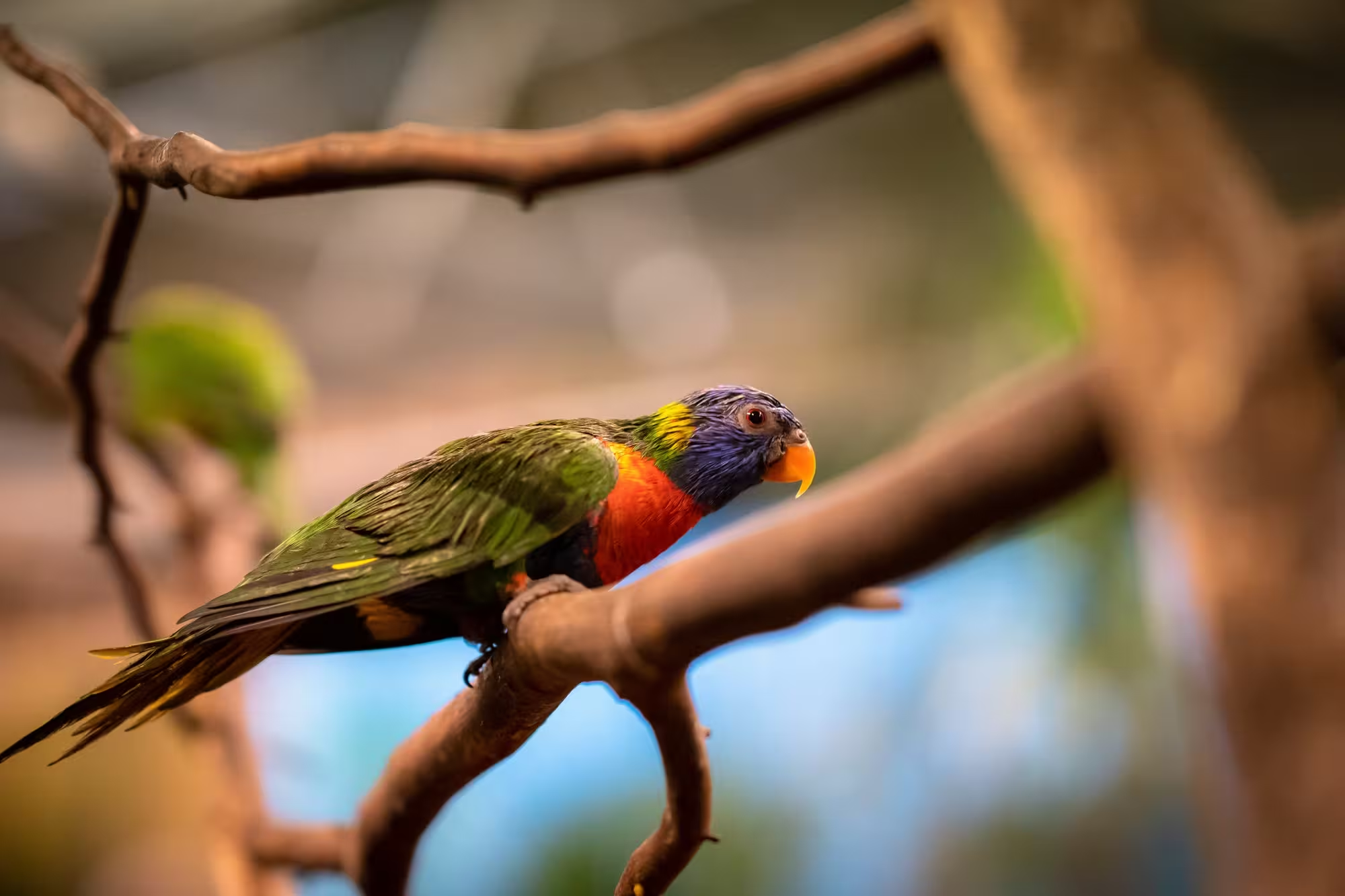
Central India's reserves hold well over 300 recorded bird species between them, and most safari guides...
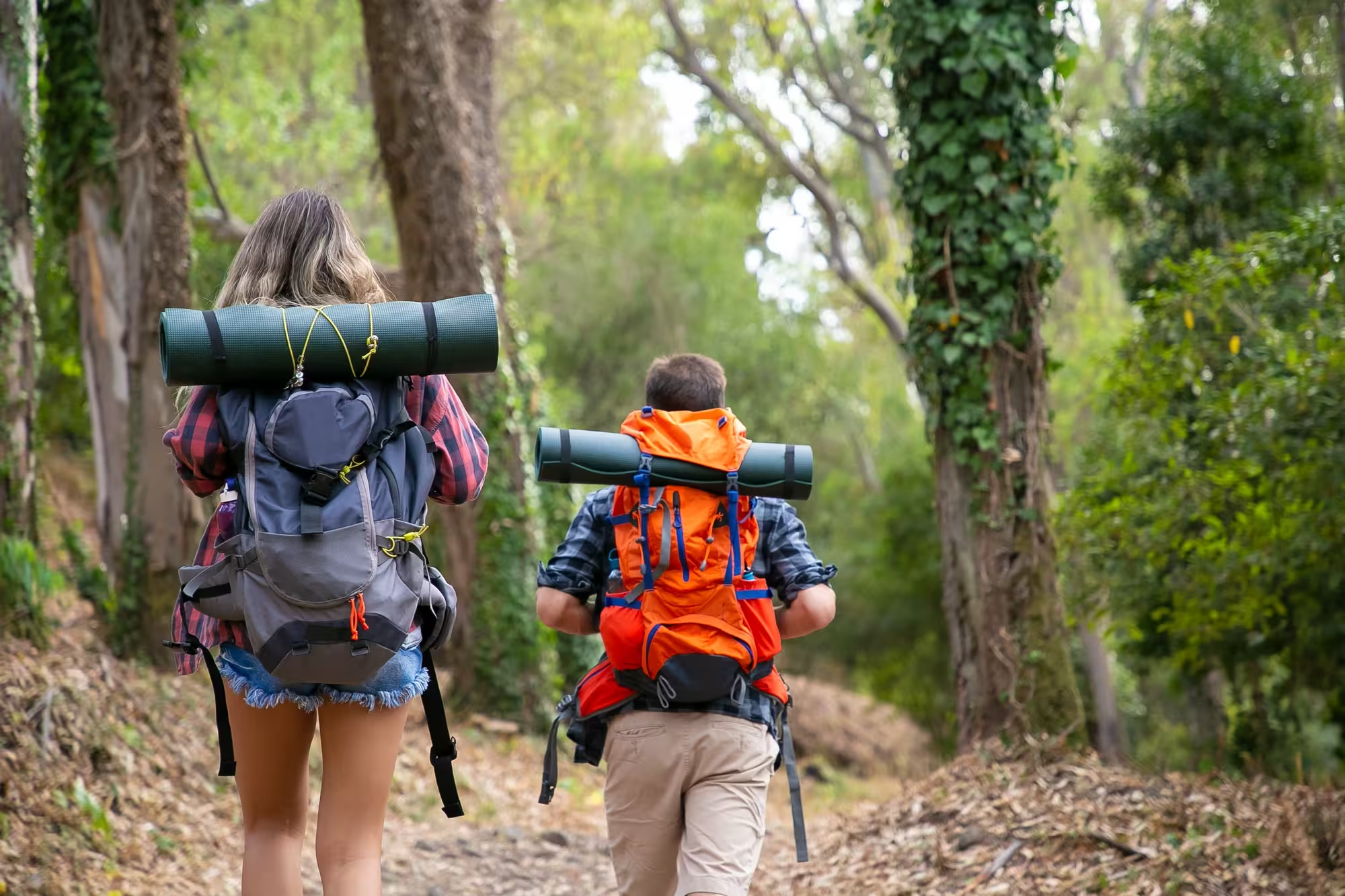
For guests who want the forest at walking pace. Satpura is India's only tiger reserve where...
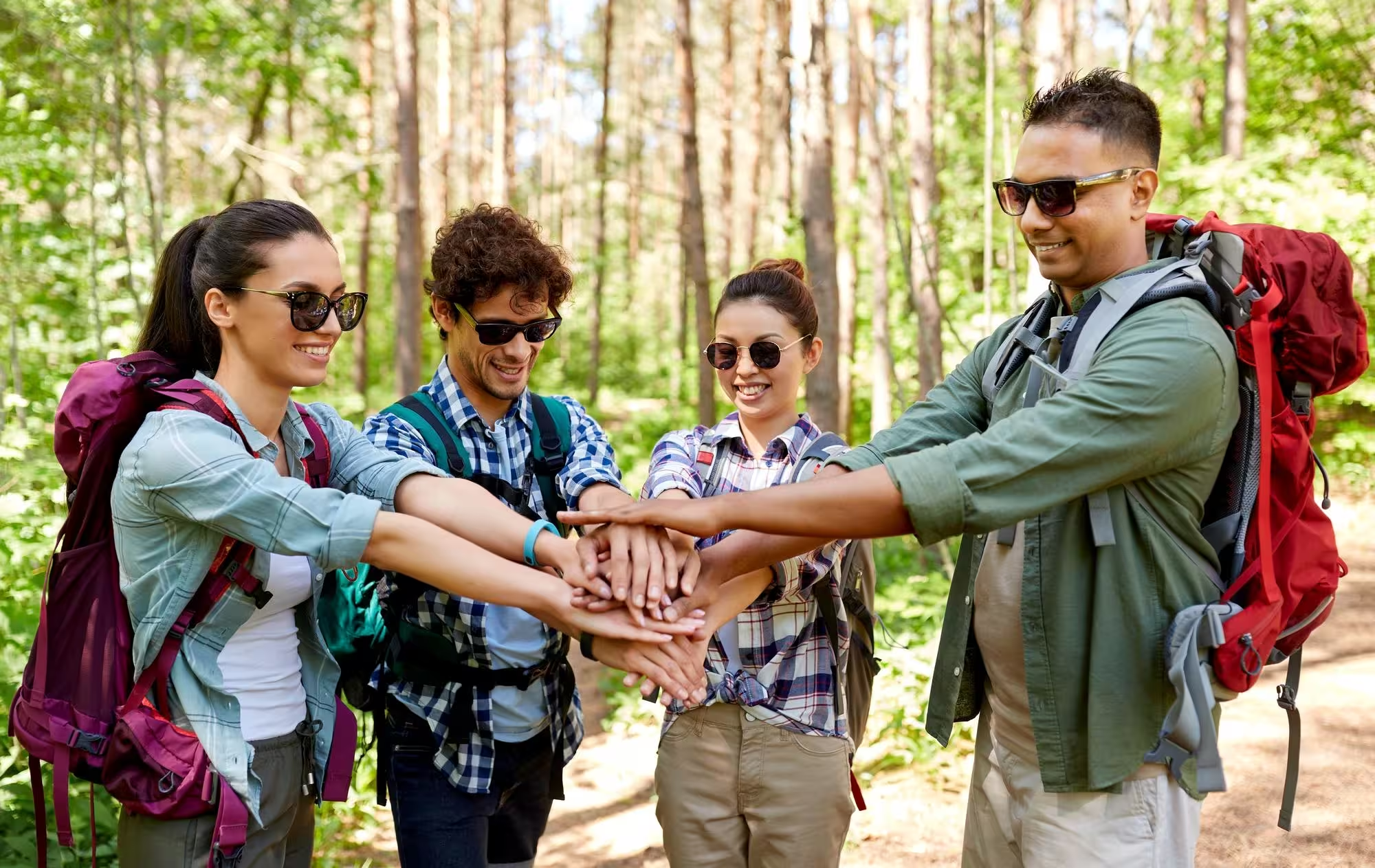
Team offsites and larger travel groups need different logistics than a couple booking a honeymoon safari...
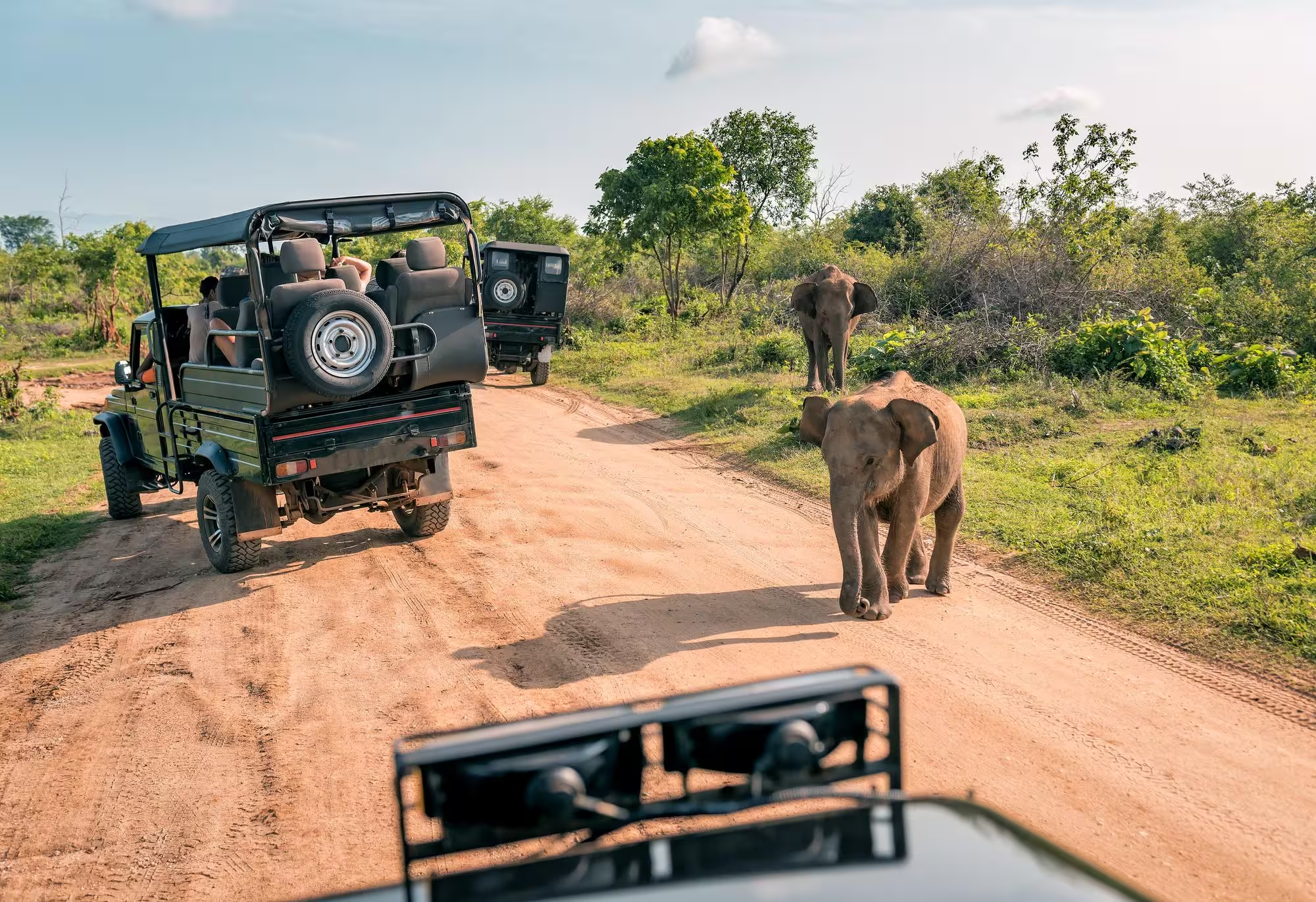
For guests who want full control — your own vehicle for the whole trip, your own...
04 · READY TO BOOK
05 · OUR COMMITMENT
Community guides, village-owned lodges, and jobs that stay in the buffer zone.
Capped vehicle numbers and shared ethics briefings — no crowding at sightings.
A share of every booking supports anti-poaching patrols and habitat work.
We offset safari-vehicle emissions and favour rail and shared transfers.
06 · FROM THE FIELD
08 · FIELD JOURNAL
COMPARISON
Two of Central India’s best parks, side by side — sightings, seasons, access and who each one suits.
9 min read
COMPARISON
Density versus ease. We break down the trade-offs first-time visitors always ask us about.
7 min read
FIELD GUIDE
From cool-season comfort to the intense heat that brings the best sightings — timed for what you want to see.
11 min read
09 · WHAT OUR TRAVELLERS SAY
10 · GOOD TO KNOW
Can't find the answer to your question? Send us an email and we'll get back to you as soon as possible!
Send emailYes — core-zone permits are capped per gate and sell out weeks ahead in peak season (October to June). We hold and book every permit for you as part of any package, including the exact gate and zone, so you never queue or gamble on availability at the gate.
That’s the trip we run most. Pench, Kanha and Tadoba all connect cleanly onto a Delhi–Agra–Jaipur itinerary by short flight or train, and our Golden Triangle combo packages are built specifically to slot real tiger country onto the monuments circuit.
No ethical operator guarantees a sighting, but Central India has the highest tiger densities in the country. Across a typical 4–6 safari trip in Bandhavgarh, Tadoba or Kanha, the large majority of our guests have at least one clear tiger sighting — and plenty more besides.
Completely. Every drive is in a shared or private open gypsy with a licensed naturalist who speaks English, briefs you on etiquette, and pitches the day to your pace. We run gentle itineraries for families and can arrange accessible vehicles on request.
We cap group sizes, work only with buffer-zone communities and locally owned lodges, offset vehicle emissions, and route a share of every booking into anti-poaching and habitat funds. Responsible travel isn’t a badge for us — it’s the reason the forest is still here to visit.
Neutral-colored clothing (khakis, greens, browns) is highly recommended. Early mornings from November to February can be freezing in open vehicles, so pack warm layers (fleeces, jackets, beanies). A dust mask/scarf, sunscreen, sunglasses, and a good camera or binoculars are also essential.
START PLANNING
Message us on WhatsApp for a same-day reply, or leave your email and we’ll send a short Central-India planning guide — no spam, no sales calls.